
Next Gen Detail

How Frisco’s Hard Water and Texas Sun Can Damage Your Car’s Finish
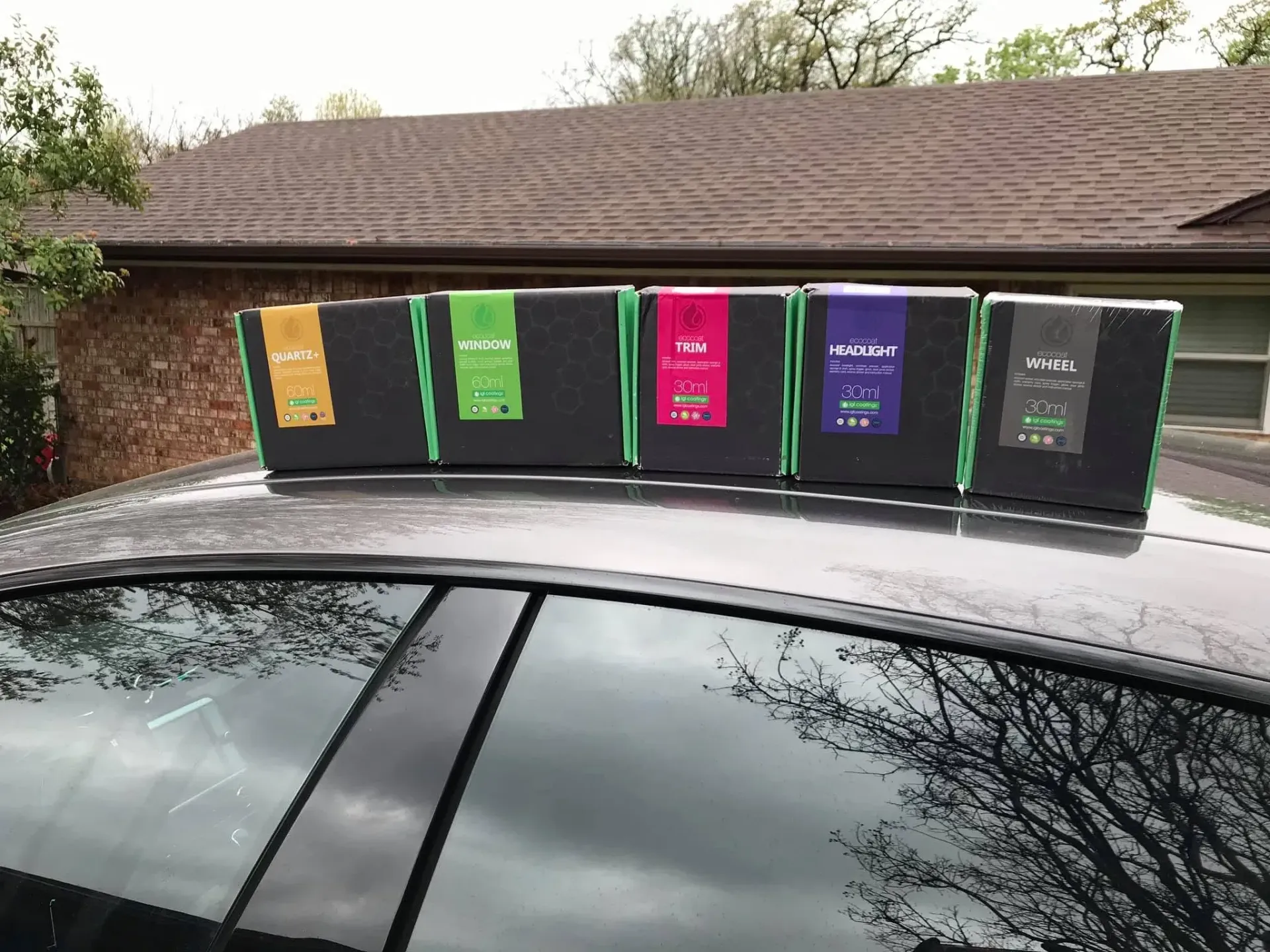
Frisco car owners are replacing traditional wax with ceramic coating because it lasts longer, makes routine washing easier, and provides a more durable barrier against mineral deposits, road grime, bug residue, and outdoor exposure. Wax can still improve shine, but maintaining it through a North Texas summer often requires frequent reapplication.
For drivers researching
ceramic coating in Frisco, TX, the real benefit is not just appearance. It is reducing the amount of work required to keep a daily driver clean and protected throughout the year.
Why Frisco Driving Conditions Are Hard on Paint
Frisco’s summer heat, strong sunlight, mineral-rich water, construction dust, and daily traffic can gradually dull an unprotected finish. Vehicles parked outdoors or driven frequently along the Dallas North Tollway receive the most consistent exposure.
According to the National Weather Service’s Dallas-Fort Worth climate normals, normal high temperatures are close to 96°F in July and August. The region also averages approximately 20 days per year at or above 100°F, although the total varies significantly from one year to another.
Repeated exposure to sunlight, moisture, contaminants, and temperature changes destroys car paint. Research into environmental weathering of automotive clear coats has documented chemical changes in clear-coat materials after prolonged environmental exposure.
You can reduce that exposure by parking in covered areas, removing contamination promptly, and following the
best ways to protect your car’s exterior from sun damage.
How Frisco’s Mineral-Rich Water Creates Water Spots
Water spots form when water evaporates and leaves minerals behind. If those deposits remain on hot paint or glass, they can become harder to remove and may eventually leave visible staining or etching.
Frisco’s latest Water Quality Report, published in 2026 and covering calendar year 2025, lists total hardness from 96 to 200 ppm at the Wylie source and 96 to 144 ppm at Leonard. The report also explains that the North Texas Municipal Water District’s treated water is generally classified as moderately hard because of naturally occurring minerals in regional water sources.
The report notes that these minerals are not a health or safety concern, but they can leave spots and scale after water evaporates. On a vehicle, the same basic process can leave visible deposits across the paint, windows, trim, and wheels.
Driveway washing is not automatically harmful. Problems usually begin when mineral-containing rinse water is allowed to dry on a hot vehicle.
To reduce water spotting:
- Wash in the shade or during a cooler part of the day.
- Avoid washing panels that are hot to the touch.
- Do not allow rinse water to air-dry.
- Dry the vehicle immediately with clean microfiber towels or filtered air.
- Remove fresh spots before the mineral deposits harden.
- Use filtered or deionized water when available.
A ceramic coating cannot guarantee a water-spot-free vehicle. It can, however,
make the surface easier to clean and reduce how strongly some contamination attaches to the clear coat.
Why Wax Struggles to Keep Up in North Texas
Wax offers short-term shine and water repellency, but it wears away as the vehicle is exposed to washing, heat, weather, and chemicals. Drivers who rely on wax must reapply it regularly to maintain consistent protection.
That may be reasonable for an enthusiast who enjoys frequent hands-on maintenance. It is less convenient for a busy Fri
| Feature | Traditional Wax | Professional Ceramic Coating |
|---|---|---|
| Expected protection | Short-term | Long-term, depending on the product |
| Surface behavior | Sits on top of the paint | Bonds to properly prepared clear coat |
| Maintenance | Requires frequent reapplication | Requires safe washing and periodic care |
| Water behavior | Good when freshly applied | Stronger, longer-lasting hydrophobic behavior |
| Contaminant resistance | Limited | Better resistance to common surface contamination |
| Upfront cost | Lower | Higher |
| Paint preparation | Usually minimal | Thorough preparation is essential |
Wax is not useless. It remains a good option when you want an affordable gloss boost or temporary protection.
The problem begins when drivers expect a short-term product to perform like a long-term coating through months of outdoor exposure. Reapplying wax every few weeks is not a long-term protection plan. It is a maintenance treadmill.
Our guide to the
difference between waxing and ceramic coating explains which option makes more sense for different vehicles and budgets.
Why Frisco Drivers Are Choosing Ceramic Coating
Ceramic coating creates a durable, hydrophobic layer over properly prepared paint. It helps the vehicle resist common contamination while making dirt, road film, and wash residue easier to remove.
The practical benefits include:
- Longer protection than traditional wax
- Easier routine washing and drying
- Strong water beading and sheeting
- Better resistance to bird droppings, bugs, sap, and road film
- Reduced need for repeated waxing
- Improved gloss and paint clarity
- A smoother surface that is easier to maintain
For a daily driver traveling along the Dallas North Tollway, parked outside an office, or exposed to neighborhood sprinklers, easier maintenance is often the most noticeable benefit.
Ceramic coating does not need exaggerated claims to be worthwhile. It does not have to block 99% of UV rays, lower panel temperatures by a specific number, or create a permanent molecular shield to provide value.
A professionally applied coating simply provides a more durable sacrificial barrier than wax. Next Gen Detail’s
ceramic coating services in Frisco include paint preparation, coating application, curing, and a final inspection based on the vehicle’s condition.
What Ceramic Coating Cannot Do
Ceramic coating improves surface protection, but it cannot prevent every kind of vehicle damage. Understanding its limits prevents unrealistic expectations.
A ceramic coating will not:
- Stop deep scratches
- Prevent dents or vandalism
- Eliminate highway rock chips
- Replace paint protection film
- Remove existing swirl marks
- Make washing unnecessary
- Guarantee that water spots will never form
- Protect neglected paint forever
It may provide limited resistance to very light washing marks, but it
should not be sold as scratch-proof. Drivers primarily concerned about rock chips should consider paint protection film for vulnerable areas such as the bumper, hood, fenders, and mirrors.
Why Paint Correction May Be Needed First
Paint correction should be completed before coating when the vehicle has visible swirls, oxidation, stains, scratches, or etched water spots. A coating preserves the appearance underneath it, so applying one over neglected paint can make those defects remain visible.
Professional coating preparation commonly includes:
- A thorough exterior wash
- Chemical and mechanical decontamination
- Paint inspection
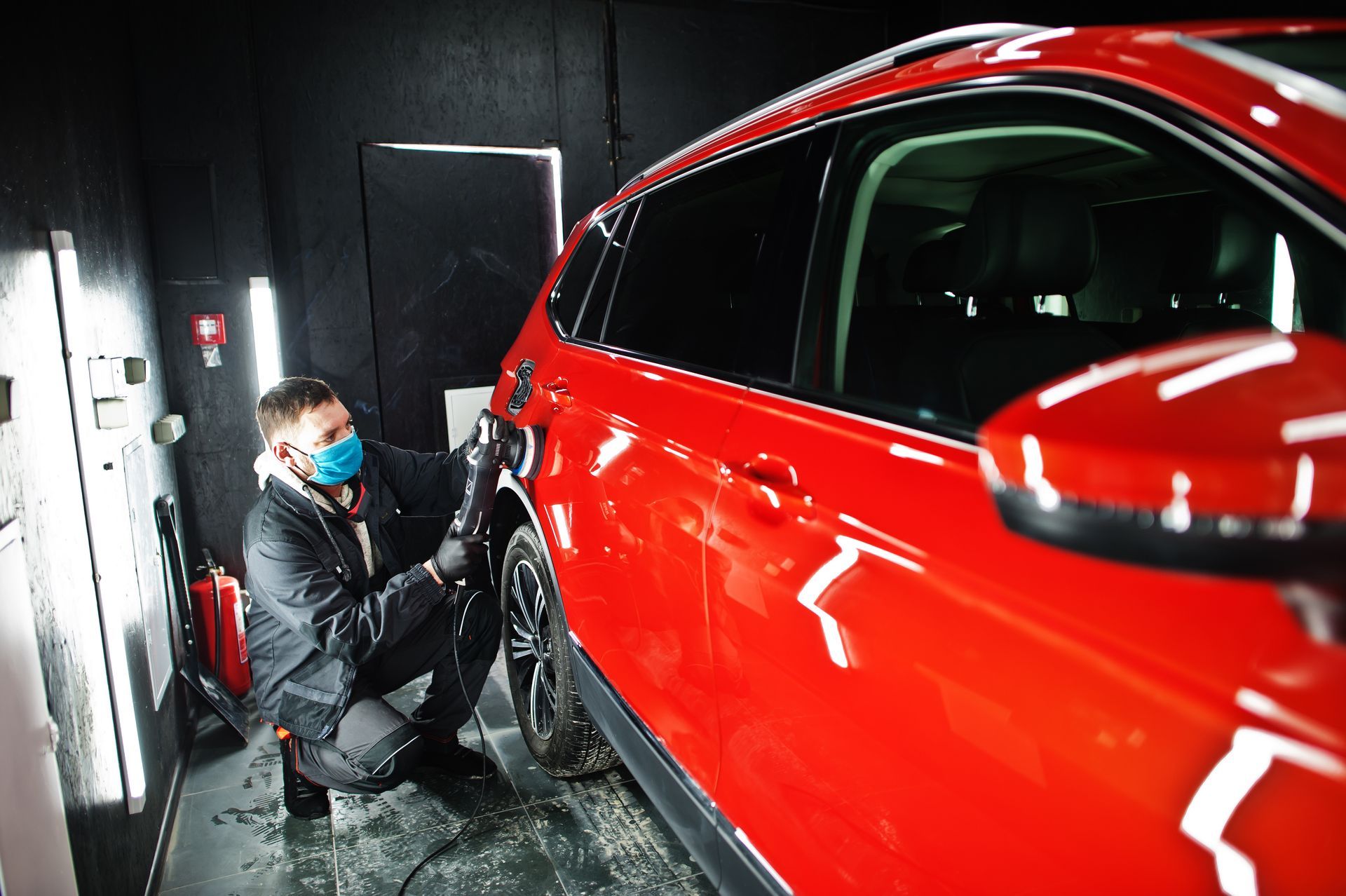
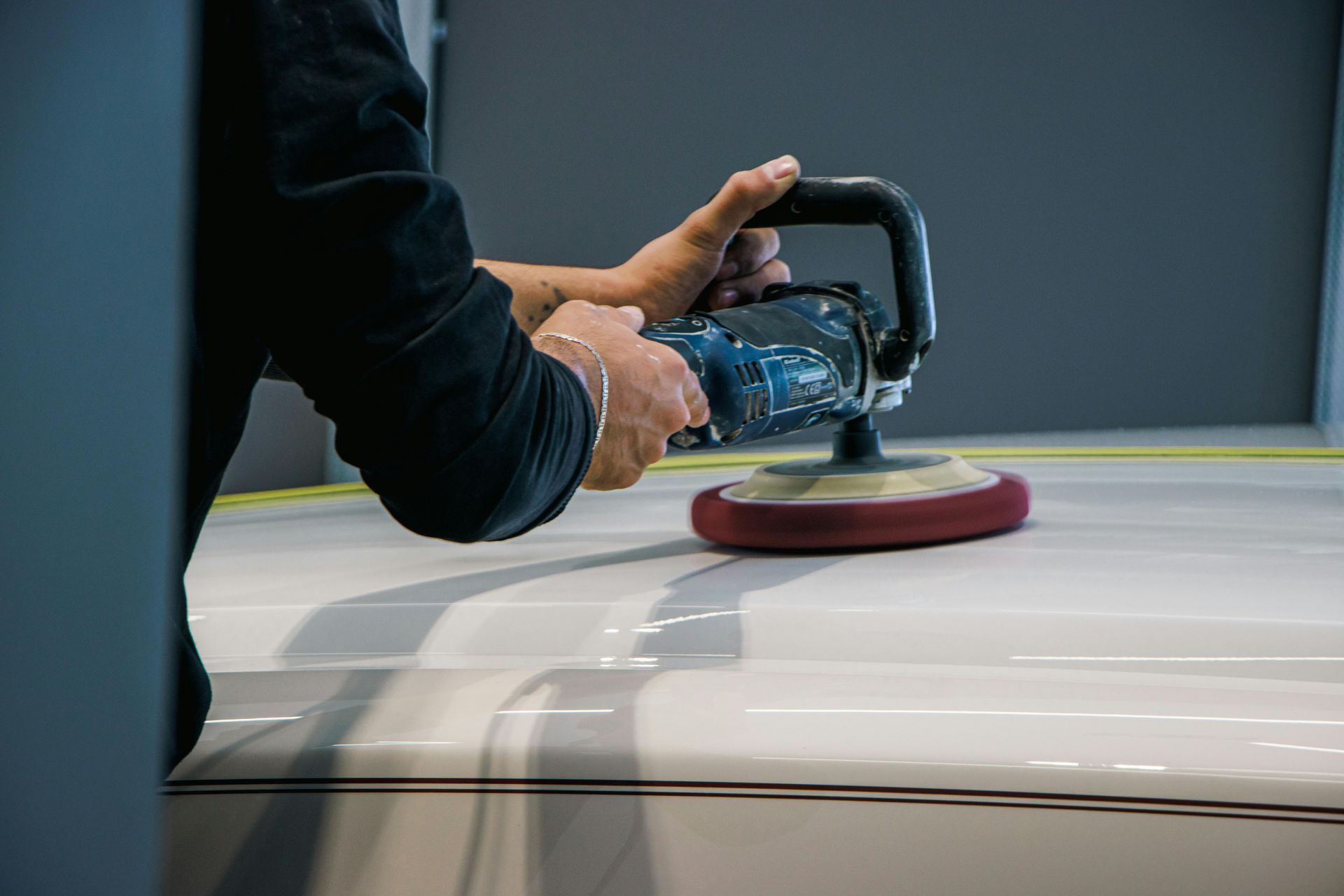
- Machine polishing when required
- Removal of polishing oils and residue
- Ceramic coating application
- Curing and final inspection
Not every car needs aggressive correction. A newer vehicle may only need decontamination and light polishing, while an older daily driver may require one or more correction stages.
Next Gen Detail’s
paint correction services in Frisco address swirl marks, oxidation, scratches, water spots, and reduced paint clarity before protection is applied.
How to Maintain a Ceramic-Coated Vehicle
Ceramic-coated vehicles still need regular cleaning, but washing is usually easier because dirt and grime have more difficulty attaching to the slick surface. Proper care also helps preserve the coating’s appearance and water behavior.
Follow these maintenance steps:
- Observe the installer’s recommended curing period.
- Wash with a pH-neutral automotive shampoo.
- Use clean microfiber wash media and drying towels.
- Avoid automatic washes with spinning brushes.
- Remove bird droppings and bug residue promptly.
- Dry the vehicle instead of letting water evaporate.
- Use coating-compatible maintenance products.
- Schedule periodic inspections when recommended.
Do not assume every ceramic product has the same curing time or maintenance requirements. Follow the instructions provided for the coating applied to your vehicle.
Why Mobile Detailing Works for Busy Frisco Drivers
Mobile detailing allows Frisco drivers to have their vehicles prepared and maintained at a suitable home, office, or private location. It removes the need to arrange transportation around a traditional shop appointment.
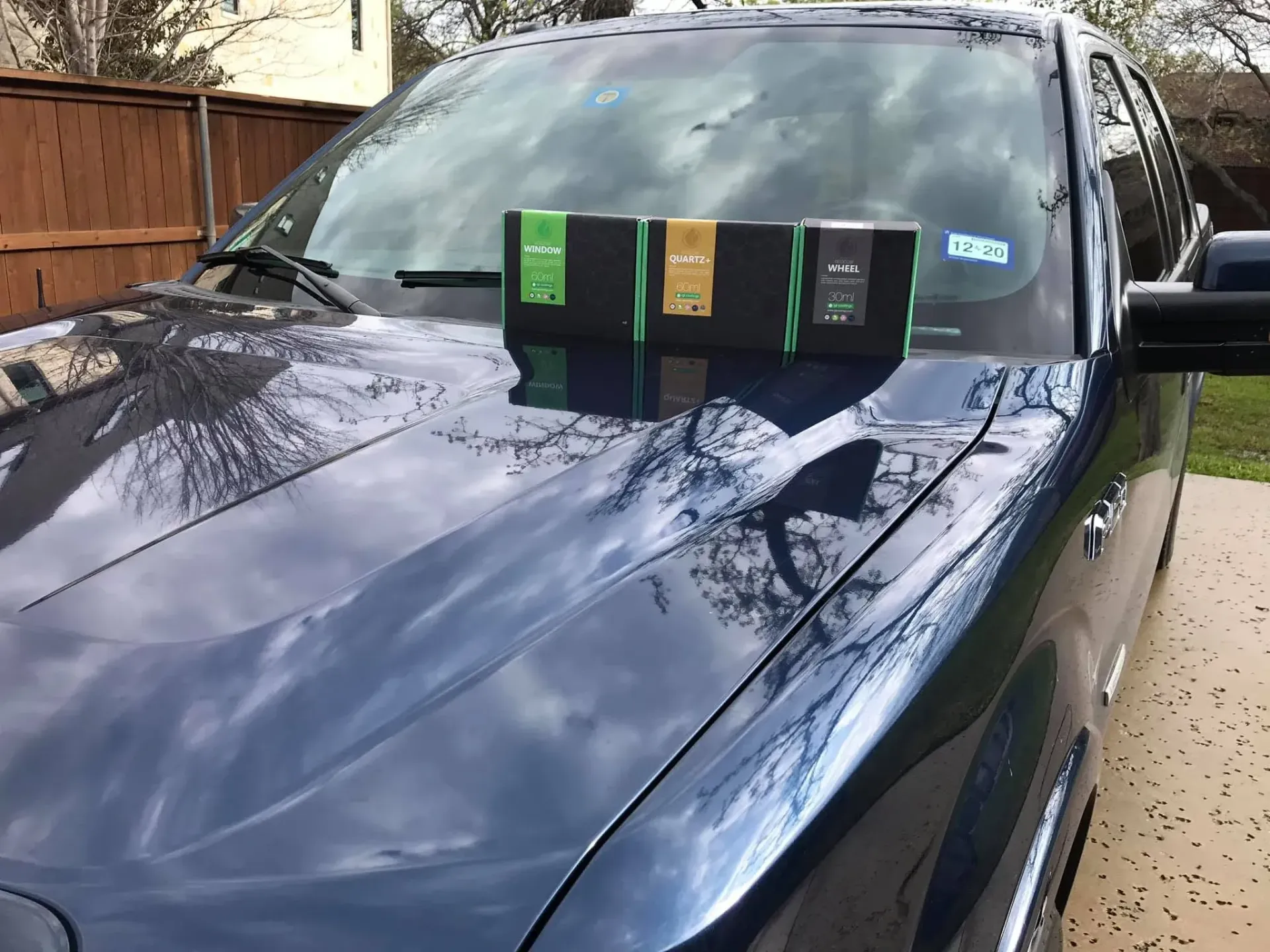
A professional mobile service should still use proper equipment, preparation methods, lighting, and environmental controls. Wind, rain, dust, extreme temperatures, and direct sunlight may affect where or when coating work can be completed.
Next Gen Detail provides
mobile auto detailing in Frisco and serves The Colony, Plano, and surrounding Dallas-Fort Worth communities. The company offers ceramic coating, paint correction, interior and exterior detailing, and other specialty services at homes and workplaces.
Stop Reapplying Wax and Start Protecting Your Paint
Frisco’s summer weather and mineral-containing water are not reasons to panic, but they are reasons to choose protection that matches the environment. Wax provides temporary shine. A properly prepared and professionally coated vehicle receives longer-lasting protection with less repetitive upkeep.
That means fewer weekends spent waxing, easier maintenance after Dallas North Tollway commutes, and a finish that is better prepared for daily North Texas exposure.
Call
Next Gen Detail at
(972) 677-9850 or
request your custom ceramic coating quote to discuss the right preparation and protection package for your vehicle.
FAQs About Ceramic Coating in Frisco
How long does ceramic coating last in Texas?
A professional ceramic coating can last for years, but its actual lifespan depends on the coating product, paint preparation, mileage, parking conditions, washing methods, and maintenance. No coating should be sold with a universal lifespan that ignores how the vehicle is used.
Do I need paint correction before ceramic coating?
Paint correction is recommended when swirl marks, oxidation, scratches, stains, or etched water spots affect the finish. A newer vehicle with limited defects may only need decontamination and light polishing.
Does ceramic coating prevent hard-water spots?
No coating can guarantee complete protection from water spots. Ceramic coating makes the vehicle easier to clean, but mineral-containing water should still be dried before it evaporates on the surface.
Can I use an automatic car wash after coating?
Hand washing is the safest option. Automatic washes with spinning brushes can introduce swirl marks, while strong touch-free chemicals may weaken the coating’s water behavior over time.
Is ceramic coating worth it for a daily driver?
Ceramic coating can be particularly useful on daily drivers because they receive frequent exposure to traffic film, bugs, weather, sprinklers, and outdoor parking. The easier cleaning and reduced need for waxing often provide more practical value than the added gloss alone.
SHARE THIS ARTICLE
OUR RECENT POSTS