
Next Gen Detail

Does Your New Car Need Paint Correction Before Ceramic Coating?
A brand-new vehicle can arrive with swirl marks, light scratches, water spots, or polishing haze before you ever drive it home. That does not mean every new car needs extensive correction, but its paint should always be inspected and improved as needed before ceramic coating is applied.
The order matters:
inspect the paint, correct visible defects, and then add long-term protection.
At Next Gen Detail, we regularly help drivers in The Colony, Frisco, Plano, and the greater Dallas-Fort Worth area prepare new vehicles for ceramic coating. Applying a coating without proper preparation can lock distracting paint defects beneath a durable protective layer for years.
Here is what you should know before protecting your new vehicle.
Why New-Car Paint Is Not Always Perfect
A new car can have paint defects even when it has only a few miles on the odometer. Vehicles pass through transportation, outdoor storage, dealership washing, and delivery preparation before reaching their owners.
During that process, the paint may be exposed to:
- Rail dust and industrial fallout
- Dirty wash mitts or automatic brushes
- Improper drying towels
- Sprinkler water and mineral deposits
- Adhesive from protective shipping film
- Incorrect polishing pads or compounds
- Repeated handling during transport and dealership preparation
These problems may not be obvious under soft dealership lighting. Once you park the vehicle in direct North Texas sunlight, however, swirl marks, haze, and buffer trails can become much easier to see.
That is why we recommend inspecting new-car paint outdoors or under a focused detailing light before deciding what level of preparation it needs.
Learn how to recognize the signs that your car needs paint correction.
Why Paint Correction Comes Before Ceramic Coating
Paint correction improves the surface, while ceramic coating protects the surface underneath it. If you coat damaged or poorly prepared paint, the coating will not remove or hide the defects.
Instead, it can preserve them beneath a durable layer.
| Service | Primary Purpose | What It Cannot Do |
|---|---|---|
| Paint correction | Removes or reduces swirls, haze, oxidation, water spots, and light scratches | Does not provide long-term protection on its own |
| Ceramic coating | Adds durable protection, gloss, and water-repelling properties | Does not remove scratches or repair damaged paint |
The proper sequence is:
- Wash and decontaminate the vehicle.
- Inspect the paint under proper lighting.
- Correct or refine the surface as needed.
- Remove polishing oils and residue.
- Apply the ceramic coating.
- Allow the coating to cure properly.
Correcting the paint after the coating has already been applied is more complicated. The protective layer may need to be polished or stripped away before the underlying defects can be addressed, which means losing part or all of the original coating investment.
Our
paint correction service in Frisco is designed to restore clarity before protection is applied.
What Paint Correction Does to New-Car Paint
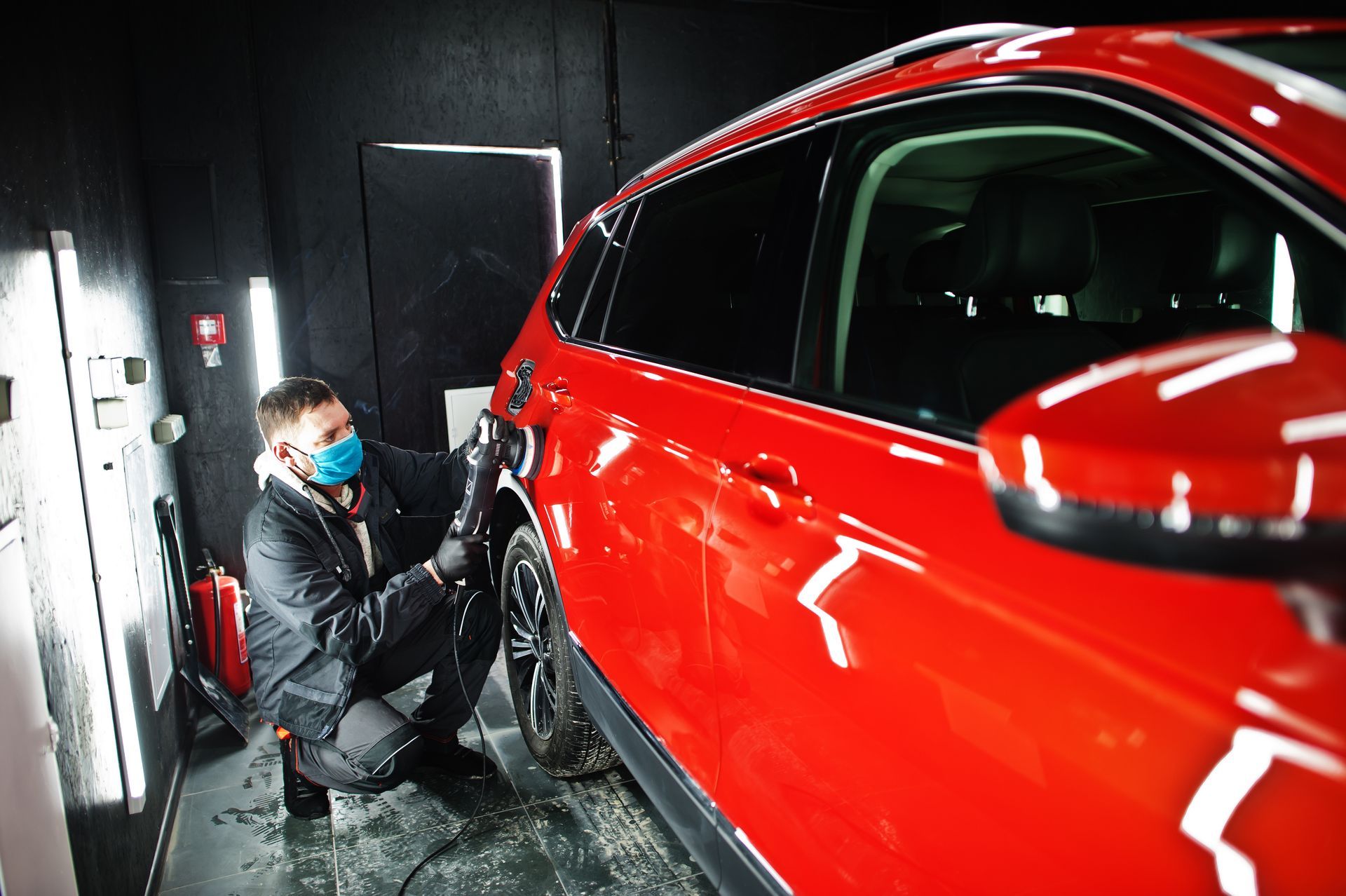
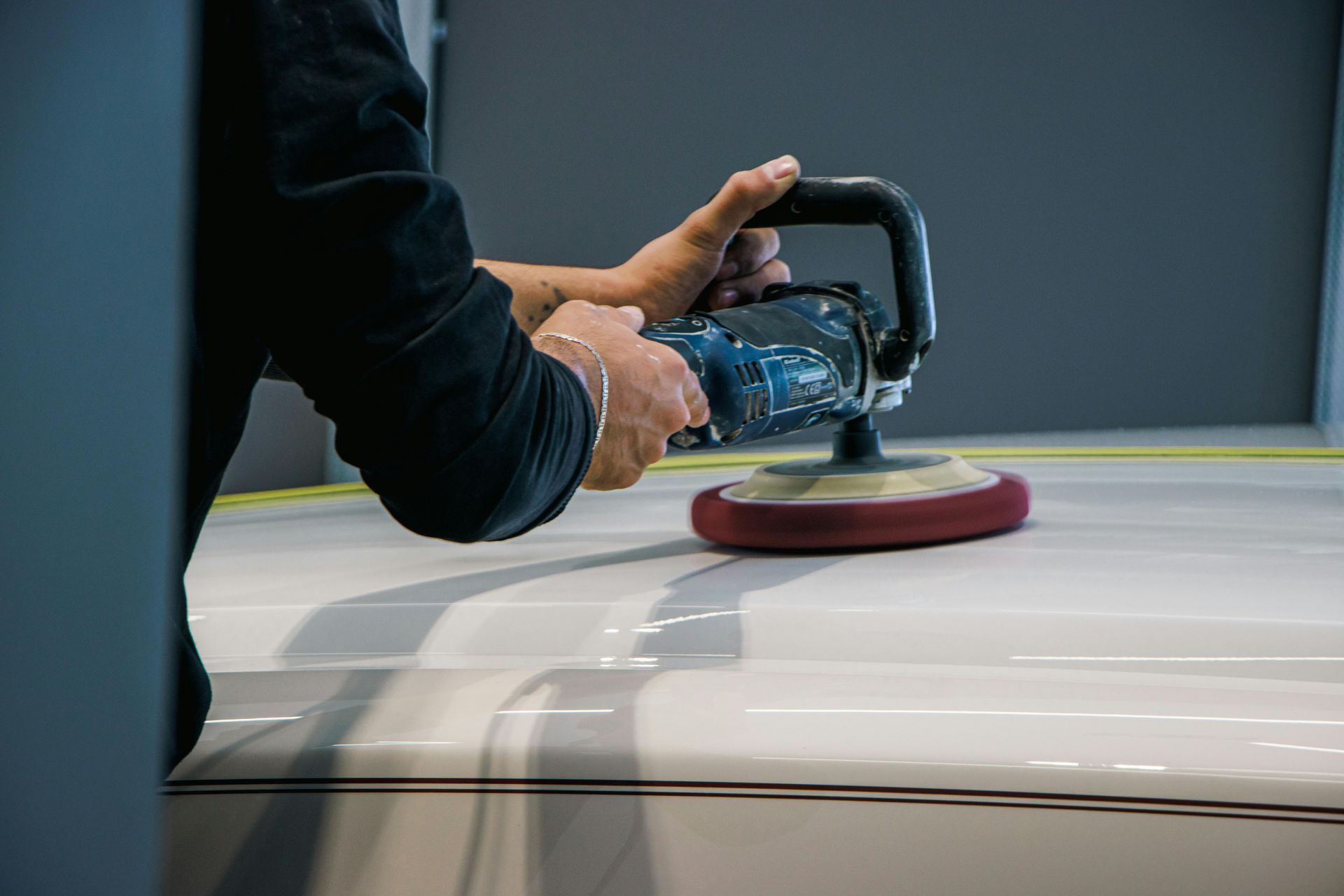
Paint correction carefully levels a small portion of the clear coat to reduce visible imperfections. The goal is to create a clearer, more uniform finish without removing more material than necessary.
Professional machine polishing can improve:
- Circular swirl marks
- Light surface scratches
- Dealership buffer trails
- Cloudy polishing haze
- Mild oxidation
- Certain water spots
- Uneven gloss
Not every new vehicle requires an aggressive, multi-stage correction. The right treatment depends on the paint’s condition.
Paint Enhancement
A paint enhancement uses a light polishing step to
improve gloss and reduce minor haze. It may be appropriate for a new vehicle with very few visible defects.
One-Stage Paint Correction
A one-stage correction balances defect removal and gloss in a single machine-polishing step. It is often suitable for
moderate swirl marks and light dealership damage.
Multi-Stage Paint Correction
A multi-stage correction uses a cutting step followed by a finer finishing polish. It may be needed when the paint has heavier swirls, deeper haze, or more noticeable defects.
A professional inspection helps us select the least aggressive process that can achieve the desired result.
See how paint correction can restore your car’s original look.
What the Preparation Process Includes
Proper coating preparation is a detailed, step-by-step process. Each stage helps the coating bond evenly and allows the final finish to look as clear and glossy as possible.
1. Paint-Safe Wash
We remove loose dirt, road film, and surface contamination without introducing unnecessary scratches.
2. Chemical Decontamination
An iron-removal product helps dissolve embedded metallic particles that ordinary washing may leave behind.
3. Mechanical Decontamination
A clay treatment removes bonded contaminants that make the paint feel rough.
4. Paint Inspection
We inspect the finish under focused lighting and may take paint-thickness measurements when appropriate.
5. Machine Polishing
We refine or correct the paint based on its condition, color, thickness, and the level of improvement you want.
6. Surface Preparation
We remove polishing oils and residue so the ceramic coating can bond directly to the prepared paint.
7. Coating Application and Curing
The coating is applied evenly and allowed to cure according to the product’s requirements.
Skipping or rushing these steps can reduce gloss, create uneven results, or interfere with the coating’s bond. Our professional
ceramic coating service in Frisco includes the preparation needed to produce a clean, durable finish.
Why North Texas Conditions Make Preparation Important
The Colony’s heat and strong sunlight can make paint defects, mineral spots, and poor polishing work easier to notice. A properly prepared coating gives you a more manageable surface, but it does not make the vehicle immune to environmental damage.
The National Weather Service’s Dallas-Fort Worth climate information shows that normal summer high temperatures regularly reach the mid-90s. Vehicle panels exposed to direct sunlight can become much hotter than the surrounding air, causing water to dry quickly on the paint.
The City of The Colony’s latest water quality report, released in 2026 and covering 2025 testing, reports minerals and dissolved solids in the local water supply. According to the U.S. Geological Survey’s explanation of water hardness, mineral-containing water can leave spots or film after it evaporates.
This makes careful washing and drying especially important in North Texas.
Ceramic coating can help by:
- Making dirt easier to remove
- Improving water-repelling behavior
- Reducing how strongly some contaminants bond
- Adding resistance to UV exposure and chemical staining
- Making routine maintenance more manageable
However, bird droppings, bug residue, and mineral water should still be removed promptly.
Learn more about how auto ceramic coating protects your car’s paint.
Does Every New Car Need Full Paint Correction?
No. Every new vehicle should be inspected before coating, but not everyone needs a full or multi-stage paint correction.
A white sedan with light haze may need only a paint enhancement. A black SUV that has gone through repeated dealership washes may need a more involved correction to reduce visible swirl marks.
You can perform a basic inspection by placing the vehicle in direct sunlight or using a bright handheld light. Look for:
- Circular scratches around reflected light
- Straight scratches from wiping or drying
- Cloudy or hazy patches
- Hologram-like polishing trails
- Dried water spots
- Rough areas that may contain bonded contamination
The goal is not to polish the paint more than necessary. The goal is to create a surface you are happy with before preserving it beneath long-term protection.
What Paint Correction Cannot Fix
Paint correction only addresses defects within a safe portion of the clear coat. It cannot properly repair damage that has penetrated through the clear coat into the color layer or primer.
A deeper scratch may require:
- Touch-up paint
- Wet sanding by a qualified professional
- Spot refinishing
- Body-shop repair
- Panel repainting
One simple test is to gently run a clean fingernail across the scratch. If it catches strongly, the damage may be too serious for polishing alone.
A professional inspection is still the best way to determine what can be safely improved. Honest paint correction should always balance appearance with long-term clear-coat preservation.
How to Maintain the Vehicle After Coating
Ceramic coating makes maintenance easier, but the vehicle still needs regular care. Safe washing and thorough drying help preserve both the coating and the corrected finish underneath it.
Follow these basic maintenance practices:
- Hand-wash the vehicle using clean mitts and towels.
- Avoid brush-style automatic car washes.
- Use a paint-safe automotive shampoo.
- Dry the vehicle instead of allowing water to evaporate.
- Remove bird droppings and bug splatter promptly.
- Schedule periodic coating inspections.
- Use approved maintenance products when needed.
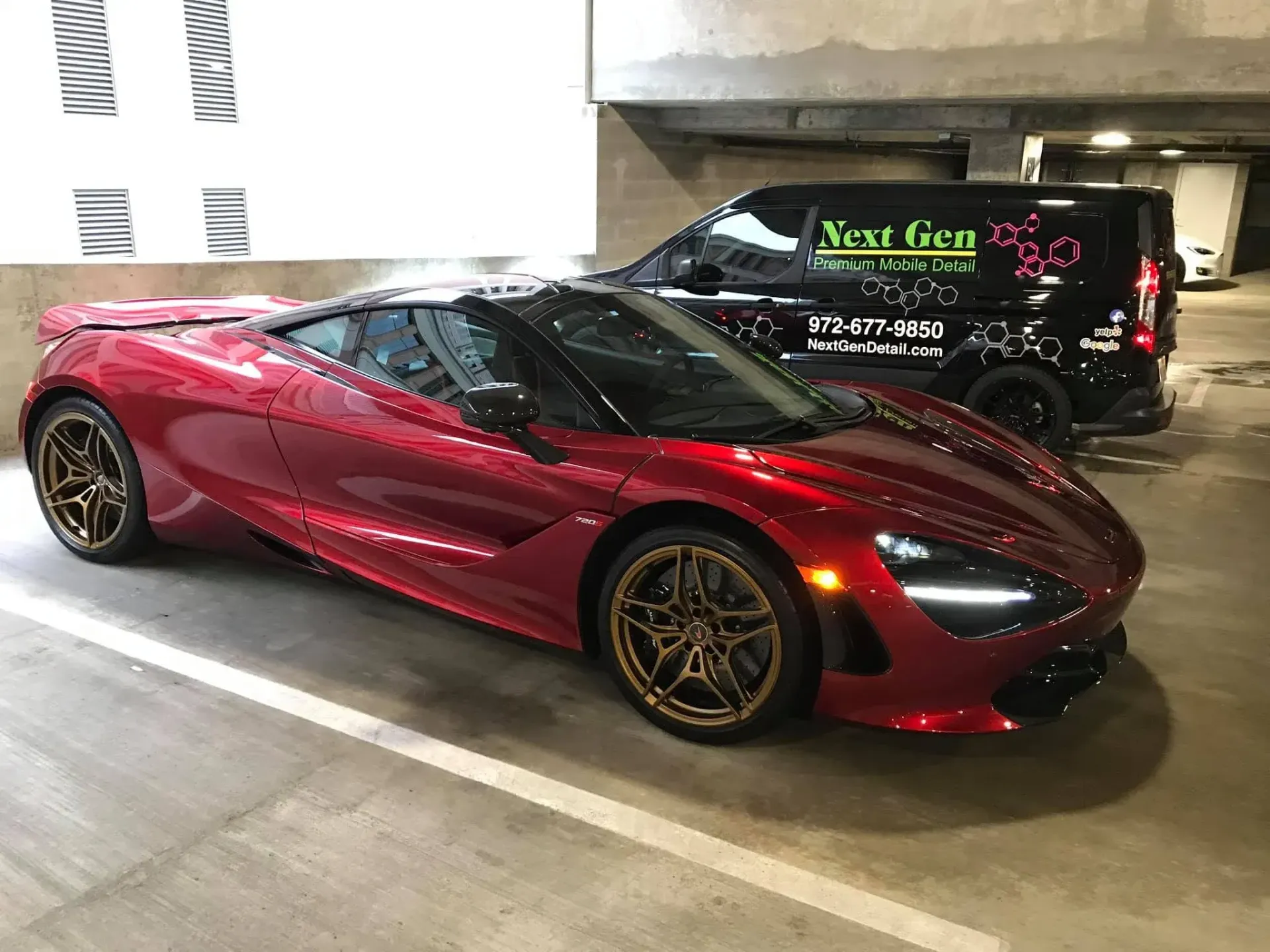
Drivers who want convenient ongoing care can use our
mobile auto detailing service in Frisco and nearby areas. We come to your home, office, or preferred location to help maintain the vehicle safely.
FAQs About Paint Correction and Ceramic Coating
Can the dealership polish my new car before delivery?
A dealership may offer polishing, but results depend on the technician, tools, lighting, and time available. If you plan to have the vehicle professionally corrected and coated, consider asking the dealership not to wash or polish it before delivery.
Will ceramic coating hide swirl marks?
No. Ceramic coating may increase gloss, but it does not remove scratches or level an uneven clear coat. In some lighting, added gloss can make existing defects easier to notice.
How long does paint correction and ceramic coating take?
The timeline depends on the vehicle’s size, paint condition, required correction level, and coating cure time. A light new-car preparation may take less time than a multi-stage correction, but the process should never be rushed.
Can paint correction remove every scratch?
No. Paint correction can remove or reduce defects that remain within a safe part of the clear coat. Scratches that reach the base coat or primer usually require touch-up paint or body repair.
Is ceramic coating better than wax for a new car?
Ceramic coating generally lasts longer and provides stronger water-repelling performance than traditional wax. However, it requires more detailed preparation and should be applied only after the paint has been properly inspected and refined.
Protect Your New Vehicle From the Start
Your new vehicle does not automatically need an aggressive paint correction, but it does deserve a professional inspection before ceramic coating. Improving the paint first prevents visible defects from being sealed beneath long-term protection.
Next Gen Detail provides professional paint correction, ceramic coating, and mobile auto detailing for drivers in The Colony, Frisco, Plano, and the greater Dallas-Fort Worth area.
Call
(972) 677-9850 to schedule a paint inspection or request a custom quote.
SHARE THIS ARTICLE
OUR RECENT POSTS